Paranasal Augmentation
Paranasal Augmentation By adding volume around the base of the nose, this procedure can soften
the appearance of deep nasolabial folds and make a protruding mouth appear less prominent.
Paranasal Augmentation By adding volume around the base of the nose, this procedure can soften the appearance of deep nasolabial folds and make a protruding mouth appear less prominent.
What is Paranasal Augmentation?
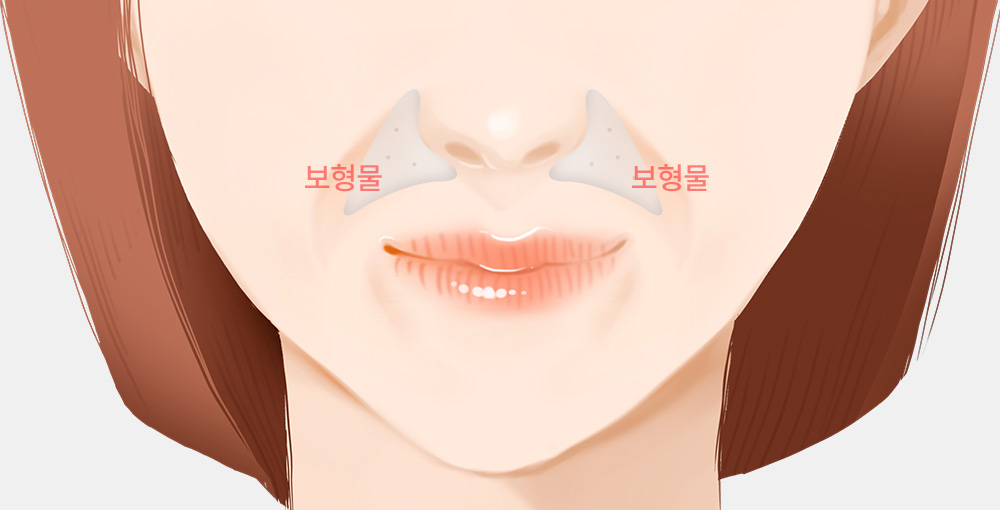
When the area around the base of the nose appears sunken, the nasolabial folds (smile lines) may look deeper. In particular,
after rhinoplasty enhances the three-dimensional contour of the central face, the nasolabial fold area may appear relatively more hollow.
Paranasal augmentation can be performed together with rhinoplasty when additional volume is needed around the base of the nose.
The procedure is usually performed through an intraoral incision to place an implant such as silicone or Gore-Tex.
For patients who prefer not to use an implant, costal (rib) cartilage may be used instead.
Paranasal augmentation adds volume to sunken areas around the nose, helping soften nasolabial folds,
create a more youthful appearance, and make a protruding mouth appear relatively less prominent.
When the area around the base of the nose appears sunken,
the nasolabial folds (smile lines) may look deeper. In particular,
after rhinoplasty enhances the three-dimensional contour
of the central face, the nasolabial fold area may appear
relatively more hollow.
Paranasal augmentation can be performed together with
rhinoplasty when additional volume is needed around
the base of the nose.
The procedure is usually performed through an intraoral incision to place an implant such as silicone or Gore-Tex.
For patients who prefer not to use an implant, costal (rib) cartilage may be used instead.
Paranasal augmentation adds volume to sunken areas around the nose, helping soften nasolabial folds,
create a more youthful appearance, and make a protruding mouth appear relatively less prominent.
1
The fixation tape will be removed 5 to 7 days after surgery.
2
You may brush your teeth starting on the day of surgery, but please brush gently to avoid irritating the surgical area.
3
To maintain oral hygiene and keep the incision site clean after surgery, rinse your mouth with the prescribed mouthwash after meals and before bedtime.
4
Apply cold compresses for about one week to help reduce swelling and pain. Consistent use during the first 2 to 3 days after surgery is especially helpful in reducing swelling and discomfort.
5
Dissolvable sutures are used for paranasal augmentation, so separate suture removal is usually not necessary. However, if any sutures remain after 2 weeks and cause discomfort, they can be easily removed during an outpatient visit.
6
For about 2 to 4 weeks after surgery, avoid opening your mouth widely when yawning or laughing, as this may place tension on the surgical area.
7
Avoid hard or chewy foods for about 2 weeks and choose mainly soft foods.
8
If you experience severe pain at the surgical site, rapidly increasing swelling, pus, or fever, please contact the clinic immediately.
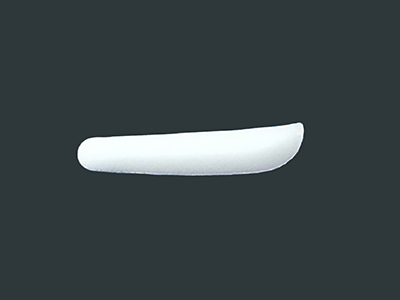
Silicone
Silicone is the most commonly used artificial nasal implant and is primarily used to augment the bridge. It causes relatively little change or foreign-body reaction in the body and is easy to shape and remove. It may be recommended for patients with thick nasal skin or those who want a more defined bridge. Because silicone is a foreign material, infection or inflammation may occur, and the implant may shift or protrude if it is not properly secured. Other possible complications include capsular deformity, visibility, calcification, and contracture.
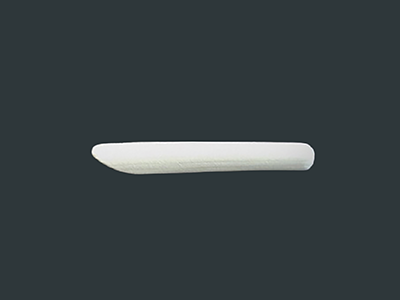
Expanded Polytetrafluoroethylene (ePTFE/Gore-Tex)
This material has a microporous structure that allows surrounding tissue to grow into it, which can provide stable fixation. It is softer than silicone and may create a more natural-looking bridge with less visible implant outlining. As with any foreign material, infection or inflammation may occur. Tissue ingrowth can also make removal more technically challenging.
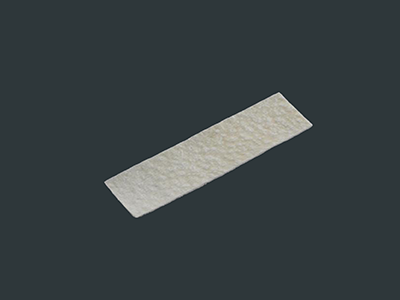
Acellular Dermal Matrix (AlloDerm, MegaDerm, etc.)
This material is processed from donated human skin to remove cells while preserving the supporting dermal matrix. It is commonly used to reinforce thin skin, camouflage visible implants or cartilage, and smooth contour irregularities after removal of foreign material. Limitations may include cost, partial absorption, and, rarely, redness or an inflammatory reaction.
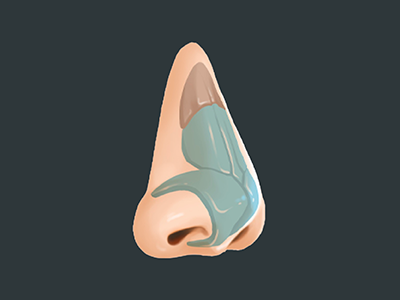
Septal Cartilage
Septal cartilage can be harvested during rhinoplasty without creating an additional donor-site scar. Its thickness and strength make it well suited for structural nasal support, and a partially deviated septum may also be corrected during harvesting. Excessive harvesting can cause a saddle-nose deformity, septal hematoma, abscess, or perforation. To help prevent deformity, Kobijou Clinic preserves more than 1.5 cm of the upper and front portions of the septum and uses mattress sutures or silicone splints to help prevent hematoma and perforation.
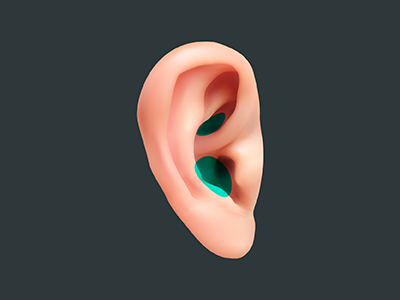
Ear Cartilage
Ear cartilage is relatively easy to harvest, and the incision can usually be concealed behind the ear. Its soft, naturally curved shape makes it useful for creating a smooth nasal-tip contour. Because it provides less structural strength and may bend or warp, Kobijou Clinic may layer opposing curves of cartilage using a sandwich technique when additional stability is needed.
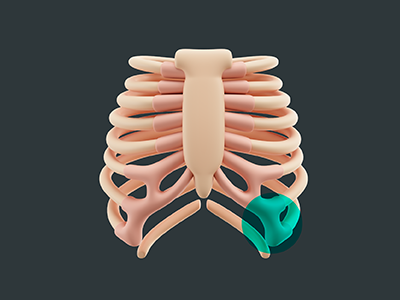
Autologous Costal Cartilage (Rib Cartilage)
Rib cartilage may be used when the septal or ear cartilage is insufficient, particularly after multiple surgeries or when strong structural support is required for conditions such as severe contracture or cleft-related nasal deformity. It provides a large amount of strong cartilage and can also be used for bridge augmentation when appropriate. Potential considerations include a firmer nasal tip, warping, calcification, and a scar at the donor site.
1
If you have high blood pressure or diabetes, please inform out medical staff in advance and continue taking your prescribed medication as directed
2
Please avoid alcohol and smoking for at least one week before surgery.
3
Please remove contact lenses and all nail polish from your fingernails and toenails before arriving at the clinic.
1
The surgical tape helps protect and stabilize the treated area. Do not remove it without consulting the medical team.
2
Depending on the surgical techniques, you may experience mild swelling, bruising, fluid drainage, or minor bleeding around the nose may occur.
These symptoms usually improve gradually over within 2-3 days after surgery.
3
Avoid touching, pressing, or massaging your nose for 2–3 weeks after surgery, as this may interfere with healing or affect the position of the reconstructed structures.
4
Use cold compresses for the first 2–3 days after surgery. After that, switch switch to warm compresses. Wrap the pack in a clean, dry cloth and avoid applying it directly to the skin.
5
Starting 2–3 days after surgery, taking a warm half-body bath or warm foot bath may help reduce swelling.
6
Alcohol and smoking may delay healing and should be avoided for at least one month.
 한국어
한국어 English
 日本語
日本語 中国語
中国語 WhatsApp
 KakaoTalk
 Instagram
 Find us
 top
top