Nasal Valve Stenosis
(Nasal Valve Reconstruction)
Widen the narrowed nasal valve to improve breathing and restore support to
collapsed or depressed areas of the external nose.
Widen the narrowed nasal valve to improve breathing and restore support to collapsed or depressed areas of the external nose.
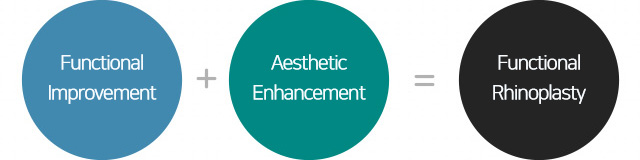
What is Functional Rhinoplasty?
Functional rhinoplasty combines cosmetic rhinoplasty with functional nasal procedures
(septoplasty, turbinate reduction, and nasal valve reconstruction) to improve nasal
breathing while enhancing the appearance of the nose.
Functional rhinoplasty combines cosmetic
rhinoplasty with functional nasal procedures
(septoplasty, turbinate reduction, and nasal
valve reconstruction) to improve nasal
breathing while enhancing the appearance
of the nose.
Structural problems involving the nasal septum or nasal valve can cause nasal
obstruction and may also make the nose appear visibly crooked. When clinically appropriate,
addressing both concerns during the same procedure can provide functional and aesthetic benefits.
Structural problems involving the nasal septum or nasal valve
can cause nasal obstruction and may also make the nose
appear visibly crooked. When clinically appropriate,
addressing both concerns during the same procedure can
provide functional and aesthetic benefits.
Surgical Approach for Nasal Valve Stenosis
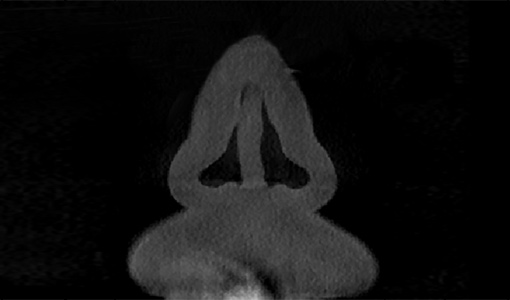
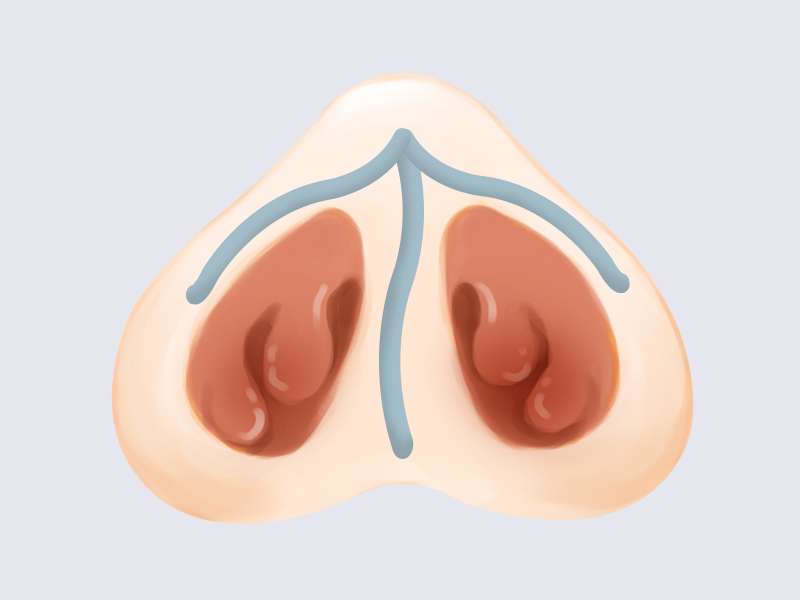
Nasal valve stenosis occurs when the space between the upper portion of the nasal septum and the lateral nasal wall becomes narrowed.
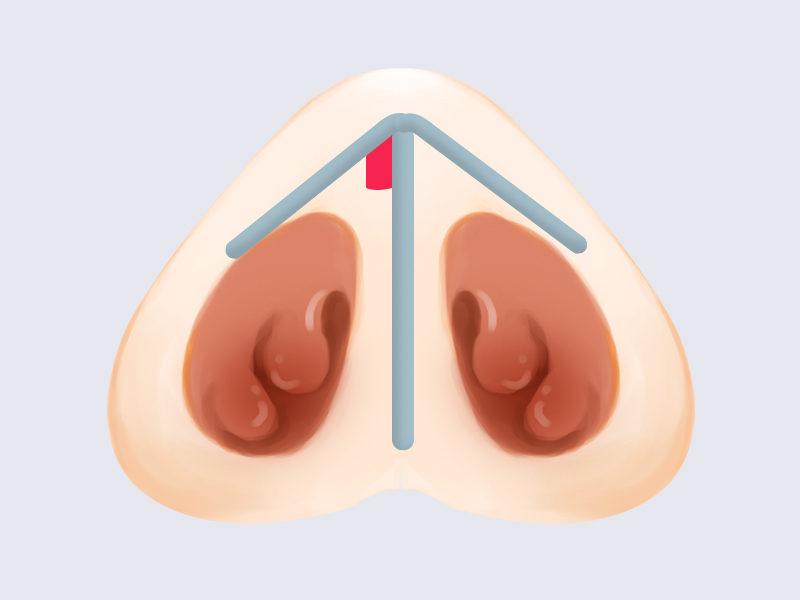
Correcting the upper septum and placing spreader grafts can widen the nasal airway, improve nasal breathing,
and restore support and contour to depressed areas of the external nose.
The external nasal valve involves the nostril rim, columella, and surrounding soft tissues.
Nasal obstruction may also result from structural collapse, scarring, or tissue adhesion in this area.
When necessary, reconstructing the columella, alar rim, and nasal floor can improve both nasal breathing and nostril shape.
Nasal valve stenosis occurs when the space between the upper portion of the nasal septum and the lateral nasal wall becomes narrowed. Correcting the upper septum and placing spreader grafts can widen the nasal airway, improve nasal breathing, and restore support and contour to depressed areas of the external nose.
The external nasal valve involves the nostril rim, columella, and surrounding soft tissues. Nasal obstruction may also result from structural collapse, scarring, or tissue adhesion in this area. When necessary, reconstructing the columella, alar rim, and nasal floor can improve both nasal breathing and nostril shape.
STEP 01 Evaluation of nasal valve stenosis or dynamic nasal valve collapse,
in which the nasal sidewall collapses inward during inhalation.
STEP 02 Structural reconstruction using techniques such as spreader grafts to support and
widen the airway, restoring stability and optimal airflow.
STEP 01 Evaluation of nasal valve stenosis or dynamic nasal valve collapse, in which the nasal sidewall collapses inward during inhalation.
STEP 02 Structural reconstruction using techniques such as spreader grafts to support and widen the airway, restoring stability and optimal airflow.
1
If you have high blood pressure or diabetes, please inform out medical staff in advance and continue taking your prescribed medication as directed
2
Please avoid alcohol and smoking for at least one week before surgery.
3
Please remove contact lenses and all nail polish from your fingernails and toenails before arriving at the clinic.
1
The surgical tape helps protect and stabilize the treated area. Do not remove it without consulting the medical team.
2
Depending on the surgical techniques, you may experience mild swelling, bruising, fluid drainage, or minor bleeding around the nose may occur.
These symptoms usually improve gradually over within 2-3 days after surgery.
3
Avoid touching, pressing, or massaging your nose for 2–3 weeks after surgery, as this may interfere with healing or affect the position of the reconstructed structures.
4
Use cold compresses for the first 2–3 days after surgery. After that, switch switch to warm compresses. Wrap the pack in a clean, dry cloth and avoid applying it directly to the skin.
5
Starting 2–3 days after surgery, taking a warm half-body bath or warm foot bath may help reduce swelling.
6
Alcohol and smoking may delay healing and should be avoided for at least one month.
 한국어
한국어 English
 日本語
日本語 中国語
中国語 WhatsApp
 KakaoTalk
 Instagram
 Find us
 top
top