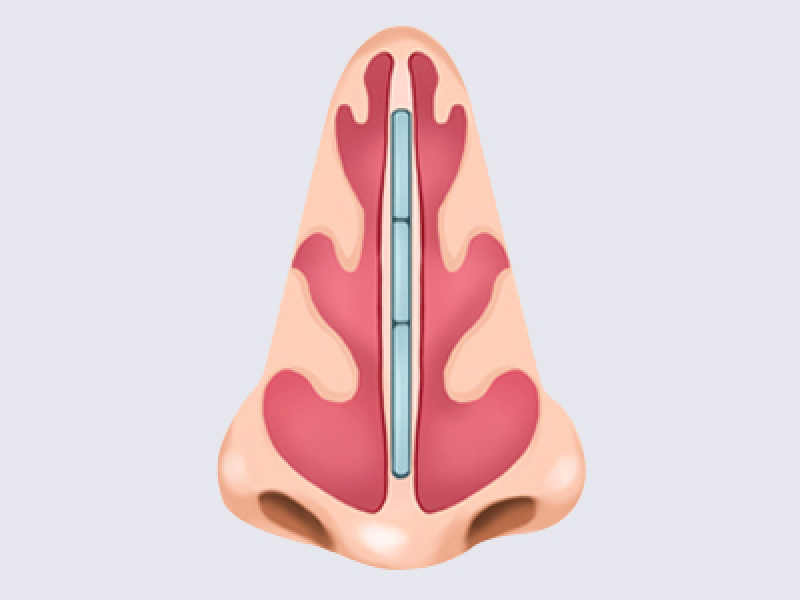
What is Functional Rhinoplasty?
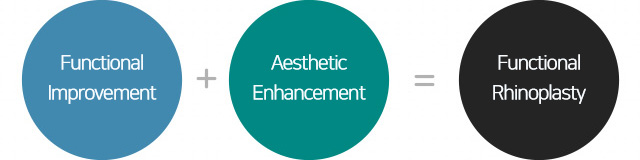
Functional rhinoplasty combines cosmetic rhinoplasty with functional nasal procedures
(septoplasty, turbinate reduction, and nasal valve reconstruction) to improve nasal
breathing while enhancing the appearance of the nose.
Functional rhinoplasty combines cosmetic
rhinoplasty with functional nasal procedures
(septoplasty, turbinate reduction, and nasal
valve reconstruction) to improve nasal
breathing while enhancing the appearance
of the nose.
Structural problems involving the nasal septum or nasal valve can cause nasal
obstruction and may also make the nose appear visibly crooked. When clinically appropriate,
addressing both concerns during the same procedure can provide functional and aesthetic benefits.
Structural problems involving the nasal septum or nasal valve
can cause nasal obstruction and may also make the nose
appear visibly crooked. When clinically appropriate,
addressing both concerns during the same procedure can
provide functional and aesthetic benefits.
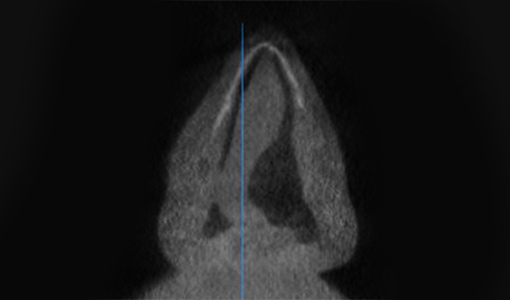
Surgical Approach for Septoplasty
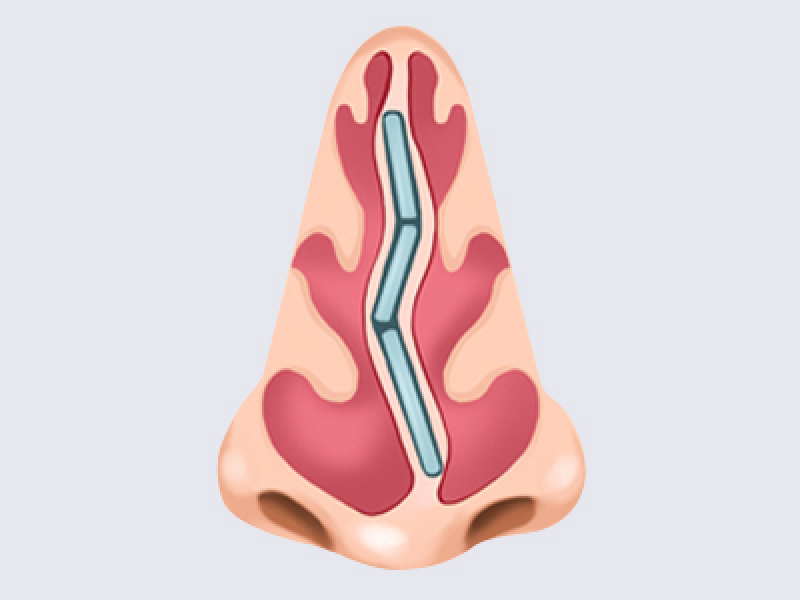
The nasal septum is a wall-like structure composed of cartilage and bone that divides the nasal cavity into
left and right sides and supports the nose. Septal deviation is common. In particular, deviation of the
anterior or superior portion of the septum may cause the external nose to appear visibly crooked.
If your nose appears externally crooked and you also experience nasal obstruction or frequently wake up
with a dry or sore throat due to mouth breathing, these symptoms may indicate a deviated septum.
Severe septal deviation may contribute to headaches and recurrent sinusitis.
For patients with nasal obstruction caused by septal deviation, septoplasty may involve removing, reshaping,
or repositioning selected portions of septal cartilage. When appropriate, usable cartilage may be preserved
and used as the patient’s own graft material for cosmetic rhinoplasty,
providing both functional improvement and a valuable source of autologous cartilage for reconstruction.
The nasal septum is a wall-like structure composed of cartilage and bone that divides the nasal cavity into left and right sides and supports the nose. Septal deviation is common. In particular, deviation of the anterior or superior portion of the septum may cause the external nose to appear visibly crooked.
If your nose appears externally crooked and you also experience nasal obstruction or frequently wake up with a dry or sore throat due to mouth breathing, these symptoms may indicate a deviated septum. Severe septal deviation may contribute to headaches and recurrent sinusitis.
For patients with nasal obstruction caused by septal deviation, septoplasty may involve removing, reshaping, or repositioning selected portions of septal cartilage. When appropriate, usable cartilage may be preserved and used as the patient’s own graft material for cosmetic rhinoplasty, providing both functional improvement and a valuable source of autologous cartilage for reconstruction.
Mid- and Posterior Septal Deviation: May be corrected with conventional septoplasty alone.
Anterior and Superior Septal Deviation: May require specialized techniques such as septal reconstruction or
nasal valve surgery. The surgical approach is tailored to each patient’s anatomy and degree of deviation.
Mid- and Posterior Septal Deviation: May be corrected with conventional septoplasty alone.
Anterior and Superior Septal Deviation: May require specialized techniques such as septal reconstruction or nasal valve surgery. The surgical approach is tailored to each patient’s anatomy and degree of deviation.
1
If you have high blood pressure or diabetes, please inform out medical staff in advance and continue taking your prescribed medication as directed
2
Please avoid alcohol and smoking for at least one week before surgery.
3
Please remove contact lenses and all nail polish from your fingernails and toenails before arriving at the clinic.
1
The surgical tape helps protect and stabilize the treated area. Do not remove it without consulting the medical team.
2
Depending on the surgical techniques, you may experience mild swelling, bruising, fluid drainage, or minor bleeding around the nose may occur.
These symptoms usually improve gradually over within 2-3 days after surgery.
3
Avoid touching, pressing, or massaging your nose for 2–3 weeks after surgery, as this may interfere with healing or affect the position of the reconstructed structures.
4
Use cold compresses for the first 2–3 days after surgery. After that, switch switch to warm compresses. Wrap the pack in a clean, dry cloth and avoid applying it directly to the skin.
5
Starting 2–3 days after surgery, taking a warm half-body bath or warm foot bath may help reduce swelling.
6
Alcohol and smoking may delay healing and should be avoided for at least one month.
 한국어
한국어 English
 日本語
日本語 中国語
中国語 WhatsApp
 KakaoTalk
 Instagram
 Find us
 top
top